
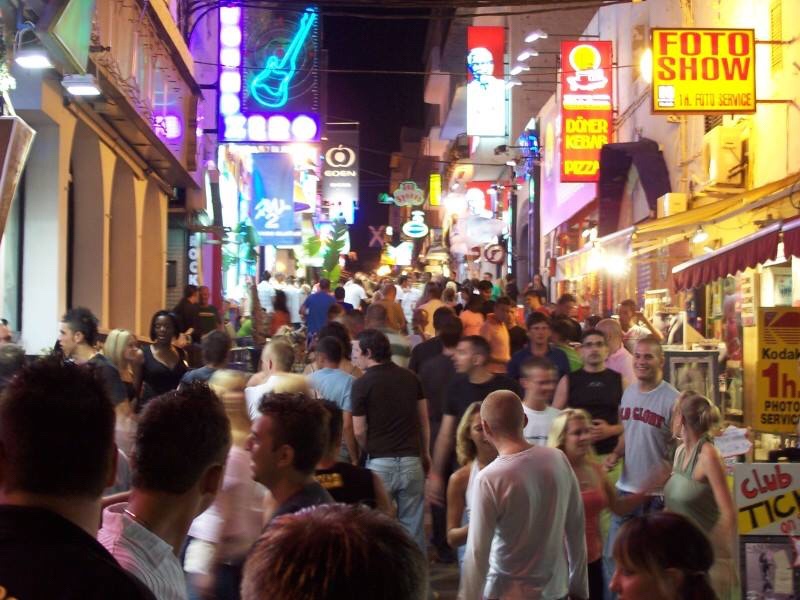
Las nuevas leyes de ruido anunciadas para San Antonio supondrán que todos los bares y clubes en el área de West End cierran a las 3 de la mañana y las terrazas se retiren a las 11 de la noche. Esto solo se aplicará al West End, ocupa unas pocas manzanas de ancho, pero constituye el corazón del “pueblo viejo” de San An.
Para que la nueva ley se apruebe lo más rápido posible antes del verano de 2018, el Consejo de coalición tripartito ha designado al área del West End como una “zona de protección acústica especial” debido a los altos niveles de ruido durante el verano.
El West End y San Antonio dependen en gran medida del turismo británico, alrededor del 75% de todos los turistas que visitan la ciudad son británicos y muchos son jóvenes de entre 18 y 25 años que viven su primera estancia en el extranjero atraídos por su sol, reputación, clubes y los nombres más importantes en la música de baile. Llegan a San An porque cumple todos los requisitos para su edad y presupuesto, y muchos regresan una y otra vez progresivamente mejorando.
San Antonio siempre ha sido una puerta de entrada para este tipo de turistas, aquellos que no pueden pagar los altos precios que otros “resorts” de las islas ofrecen. Siempre ha sido así porque estos precios asequibles es lo que encuentran en los hoteles locales. San Antonio solo tiene tres hoteles de 4 estrellas en toda la ciudad y esto se refleja en los que vienen aquí. A pesar de que los hoteles locales han acometido grandes reformas en los últimos 15 años, todavía están a un millón de millas de ser calificados como de “world class”.
Así que a menos que en los próximos 10 años se abran una serie de resorts de playa de 5 estrellas, San An seguirá ofreciendo el mismo tipo de habitaciones a precios razonables que atraen a un cierto grupo demográfico, el mismo grupo demográfico que el Sr Valdés y sus compañeros claramente no quieren. Incluso si las grandes cadenas de hoteles quisieran crear un país de las maravillas de 5 estrellas, el gobierno isleño socialista tiene una prohibición de construcción vigente, por lo que no se construirá nada en los próximos años y actualmente se tardan más de dos años en obtener una licencia para reformar un hotel existente.
Para aquellos que vienen a San An y no tienen dinero para reservar mesas VIP en los súper clubes de Ibiza, el West End ofrece bebidas y luces brillantes que son un faro de diversión a un precio muy razonable. Amarlo o detestarlo, siempre ha tenido un lugar en la dinámica de la Isla … hasta ahora.
En los últimos años es triste decirlo, pero el West End se ha derrumbado rápidamente, degenerando rápidamente en un ghetto donde rara vez se ve a la policía dejando un vacío sin ley. El hecho de que el West End no se haya controlado a sí mismo ha resultado en 3 problemas principales:
1. Los operadores de bares sin escrúpulos y sus relaciones públicas forzando acuerdos de bebidas baratas en jóvenes ingenuos que terminan en estado de embriaguez.
2. Las prostitutas organizadas en cada esquina molestan a los transeúntes y roban a los que están demasiado borrachos como para darse cuenta o defenderse
3. Las mismas pandillas de carteristas que esperan cerca del rango de Taxi todas las noches se aprovechan de los turistas jóvenes que acaban de pasar un buen rato.
Irónicamente, los “looky looky” ahora palidecen en relativa insignificancia, pero estos problemas no son muy diferentes a muchos otros resorts mediterráneos, sin embargo, en lugar de enfrentar a los delincuentes y los infractores, el Vicealcalde Valdés ha declarado la guerra a los bares del West End, lo que a su vez penalizará a aquellos turistas que los frecuentan y disfrutan, la mayoría de los cuales son británicos.
El Sr. Valdés claramente no le gusta el turismo que en San Antonio ha prosperado durante décadas y ha utilizado las quejas de los ‘147’ residentes para justificar sus acciones. Dejen que profundice en un minuto: 147 residentes que viven en un área que es famosa por los bares y lo ha sido durante casi 50 años. 147 residentes en una ciudad que depende 100% del turismo. 147 residentes que necesitan protección pero también que viven en medio de un pueblo fantasma durante 7-8 meses al año.
No se puede inventar, pero ese es el enigma de San Antonio, un consejo que desprecia la mano que lo alimenta y que anhela a esas familias ‘agradables’ y parejas de mediana edad/ancianos que eligen visitar Santa Eulalia durante 4 meses año.
Mientras Sr Valdés enfoca su ira en los turistas británicos, sacrificando el disfrute de los jóvenes y arruinando los medios de subsistencia de muchos honestos dueños de bares (españoles y extranjeros), los verdaderos criminales no han sido mencionados, así que estarán libres para deambular y hacer sus malas acciones con muy poca presencia policial.
Esto es imperdonable: este consejo a quien le encanta llevar pero no devolver nada. 147 residentes pueden verse afectados por el ruido extra durante 4 meses, pero ¿cuántos turistas jóvenes se ven afectados semanalmente por los delincuentes indiscutidos? Me imagino a muchos más de 147, pero no son votantes, y probablemente estaban ebrios y se lo ” merecían ” a los ojos de este consejo.
Sin duda, San Antonio necesita una limpieza y ese es el trabajo del consejo elegido, pero aborde primero los problemas reales en lugar de centrarse en negocios legítimos construidos durante muchos años que emplean a muchos y que suman a la ciudad. San Antonio tiene muchos problemas que deben abordarse, pero unos cuantos decibelios adicionales por 4 meses al año no son el verdadero problema aquí.








 MAN IN SAN AN by Martin Makepeace