Frank The Stagman Returns: Ibiza to Ban Clubbing?

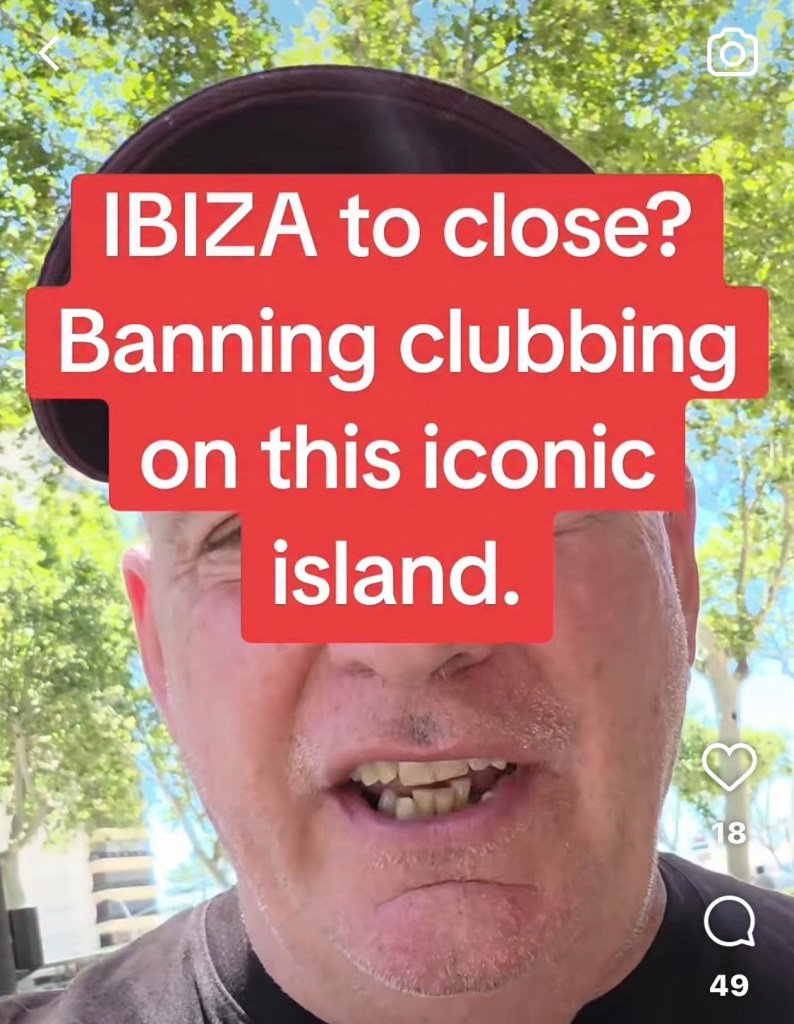
Check the diary, it’s not the first of April! Just when you thought he had quietly limped back to the mainland in a cloud of excuses, filtered selfies and motivational soundbites… Frank the Stagman’s anti-Ibiza tirade is back.

This time with his fresh blockbuster claim: Ibiza wants to close down clubbing.

Yes, you read that correctly.

The island that built a global economy on DJs, dance floors, overpriced water and people making catastrophic life choices at 5am has apparently decided to pull the plug.

Frank, the self-appointed saviour of the West End, has once again dusted off the crystal ball to explain Ibiza to the people who actually live here…from his iPhone on a Benidorm backstreet.

One can only ‘admire’ his consistency. When his nightclub venture didn’t quite evolve into the hospitality equivalent of Studio 54, the blame wheel spun magnificently through landlords, locals, business culture, the West End and mysterious forces from beyond this world. Personal accountability remained missing, presumed quaffing cocktails somewhere in Benidorm.

Now we have the latest instalment: Ibiza authorities want to close down clubbing.

Let’s unpack this masterpiece of attention-seeking buffoonery.

Is Ibiza changing? Of course it is.

Has the island become more expensive, more regulated, more complicated and increasingly obsessed with luxury branding, wellness retreats and €20 avocado on toast? Absolutely.

But suggesting Ibiza is “closing down clubbing” is a bit like saying Las Vegas has gone anti-gambling because someone complained about noise from a slot machine.

The clubs are packed. The DJs are still earning more per set than most people’s annual salary. VIP tables are still priced similar to selling a kidney. The island isn’t banning clubbing – it’s evolving, adapting and, whether people like it or not, monetising itself with ruthless efficiency. In fact I would go as far to say that the clubs have never been so universally accepted by the good folk and authorities of the White Isle.

The uncomfortable truth? Ibiza doesn’t always conform to the fantasy version sold on social media especially those with a bitter axe to grind, and that seems to be where the real friction lies.

There’s a recurring theme in the Stagman Cinematic Universe: if Ibiza doesn’t bend itself around his narrative, then clearly Ibiza is broken.

The island isn’t perfect – far from it and many question the direction that Ibiza is heading but declaring the death of clubbing from the digital front seat of a rented supercar is peak 2026 click content nonsense.

What next from Fearless Frank?

“Ibiza banning sunsets.”

“Authorities considering restrictions on white linen shirts.”

“Urgent threat to influencers posing near Es Vedrà.”

Nothing would surprise me at this point in his relentless quest for clicks and the irony, of course, is delicious. The island continues to attract millions of clubbers every year while producing enough outrage content to keep algorithm-chasing commentators gainfully employed.

Ibiza will survive Frank’s latest ‘revelation’ to his adoring army of sycophants just as it survived countless “end of Ibiza” predictions before it because here’s the thing outsiders often struggle to understand:

Ibiza doesn’t need saving, it barely tolerates being explained and it certainly isn’t shutting down clubbing because Frank the Plank wants a few more clicks on his attention seeking crusade.

The West End Rebrand With a Twist

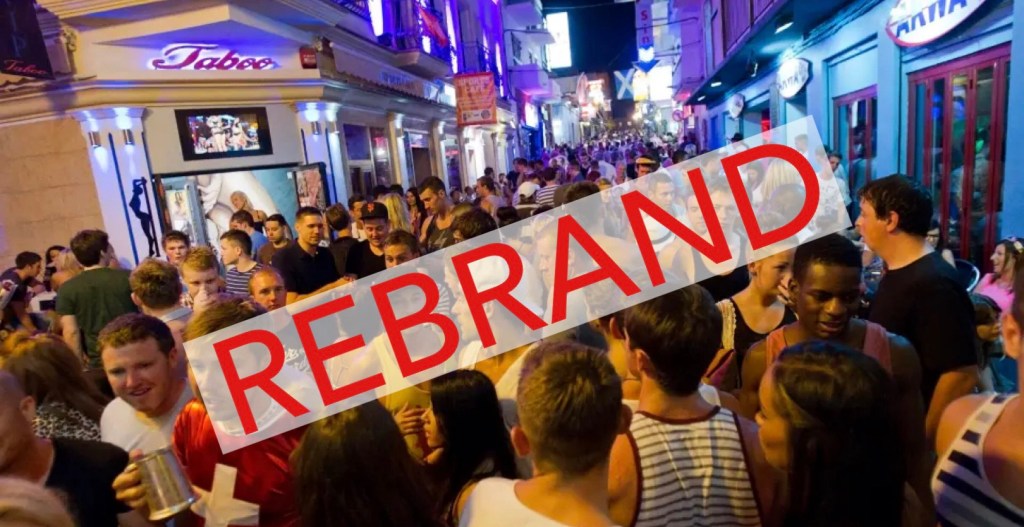
There are public consultations, and then there are Ibiza public consultations. The latest idea? Rebranding San Antonio’s famous West End.

Yes, that West End. The one known across Europe by generations of holidaymakers for bar crawls, regrettable tattoos and 4am kebabs. A place with more brand recognition than some airlines but here’s the twist.

Suggestions for its new name have to be in Catalan. Not preferred. Not encouraged. Required. By law, no less.

Now before the outrage police warm up their keyboards, let’s be clear: protecting local languages matters. Catalan is part of the Balearics’ identity and absolutely deserves protection, promotion and everyday use but this isn’t renaming a municipal office, a heritage site or a village square.

This is a commercial identity. A globally recognised nickname. A brand. Love it or loathe it, “The West End” is already a trademark in all but legal paperwork but here’s the best bit. After all the consultations, debates, brainstorming sessions and publicly funded coffees… the leading suggestion?

“Barri de Ponent.”

Which literally means…West End. In Catalan. You couldn’t make it up.

So after all the fanfare, the revolutionary rebrand strategy appears to be: keep exactly the same name, just translate it.

It’s like sticking linen shirts on a 24-man stag do from Doncaster and calling it cultural evolution.

The deeper irony here is that if the objective is to change perceptions, improve reputation and create a fresh commercial identity, then perhaps linguistic box-ticking isn’t the main challenge because let’s be honest, the challenge with the West End isn’t branding, it’s image.

Changing the label while keeping the same late-night under-policed chaos is like renaming a hangover ‘morning wellness fatigue’.

Still, credit where it’s due. At least Barri de Ponent sounds classy on a property brochure. “Luxury apartment situated moments from the vibrant cultural quarter of Barri de Ponent”.

The truth is, the West End is already evolving organically. Restaurants, street art, boutiques and a broader business mix are slowly nudging the area in a different direction, and any sensible support for that deserves credit.

But this feels like one consultation too many and one layer of bureaucracy too far because if your grand rebrand culminates in translating “West End” into Catalan and declaring victory, you may have mistaken semantics for strategy.

Only in Ibiza could a famous international nightlife strip undergo a rebrand consultation and emerge with… the exact same name, translated for legal compliance.

Progress, apparently. Or as they say in Catalan…Progrés.

Ibiza Outrage Season Is Back

It must be summer. The sun is shining, the airport queues are growing and, right on cue, social media is full of shocked tourists posting photos of expensive bills in Ibiza.

This week’s scandal? Coffee and toast. Nearly twenty euros’ worth of it!

Cue outrage. Cue “Ibiza has lost the plot.” Cue hundreds of comments from people who somehow still act surprised that one of Europe’s most in-demand holiday destinations charges premium prices in certain venues.

Here’s a radical suggestion: don’t buy it.

Nobody is being frogmarched into a beach club and forced to order artisanal sourdough with hand-massaged avocados and Himalayan salt flakes.

And let’s remember one important detail: prices have to be displayed by law. There are no hidden surprises. You know the cost before you order. If you don’t like it, walk away. It’s really not complicated.

The endless ritual of posting menus and bills online for public outrage is becoming a bit tiresome. Yes, Ibiza can be expensive. We all know this.

Water is wet. The sun is hot. Ibiza charges more than Benidorm but here’s the thing the annual complainers often overlook: there are options. Plenty of them.

You can eat cheaply in Ibiza (thank you Cebo and Casa Thai) You can find menu del día deals, local bars, family restaurants and places serving excellent food without requiring a small bank loan.

You can also choose the glamorous beach club experience where you’re paying not just for the food, but for the location, the atmosphere, the music, the service, the sun-bed culture and the Instagram backdrop.

That’s called choice, it’s a wonderful thing and if the prices still offend your sensibilities? There are literally hundreds of other holiday destinations available.

But… they’re not Ibiza, are they?

That, ultimately, is why the complaints keep coming and the planes keep landing. Same outrage. Same screenshots. Same expensive avocado toast.

Same time tomorrow for the €14 coffee story?

Inspired from a rant by DD

Ibiza’s Vehicle Limit: The Real Numbers

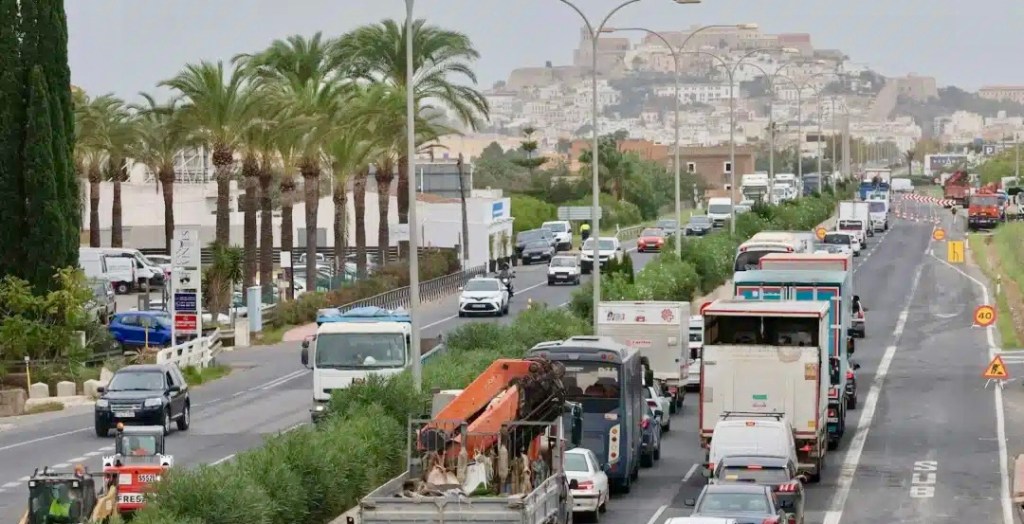
Ibiza has finally drawn a line under its traffic problem and 17,668 is the magic number….as in 17,668 vehicles per day

That’s the official cap being pushed as the island’s ‘sustainable limit’ but this number doesn’t include everyone, notably the missing majority: namely the residents.

Let’s start with the biggest piece of the puzzle. Residents’ vehicles are NOT part of the cap and they shouldn’t be. Locals need to live, work, and move around the island but it distorts the numbers because Ibiza already has 150,000+ registered vehicles on the island with a resident population of around 160,000 meaning it’s one of the highest car-per-person ratios in Spain so before a single tourist arrives, the roads are already heavily loaded.

So what does the 17,668 actually control? The cap only applies to non-resident vehicles, mainly rental cars, vehicles arriving by ferry and camper-vans. A typical breakdown is up to 14,000 rental cars and the remaining quota for ferry arrivals and special allocations for Formentera and the other Balearic residents.

So in reality the cap is regulating tourist pressure, not total traffic.

Once you layer everything together, the true situation looks more like tens of thousands of resident vehicles in daily circulation plus the added pressure of the summer which will equate to 17,668 controlled non-resident vehicles. So the real world total is well over 30,000+ vehicles moving around the island on peak days.

That’s the number that actually matters because the narrative can be misleading saying “We’ve capped vehicles at 17,668”. This may sound like a hard limit but in reality it’s a partial cap on additional traffic, layered on top of an already saturated system.

Ibiza’s challenge isn’t just tourists. It’s a high dependency on cars among residents with limited public transport coverage and seasonal population spikes hindered by an infrastructure that hasn’t scaled with demand. So even with the cap in place congestion doesn’t disappear, it just stops getting worse as quickly

However this policy is still important because for the very first time, Ibiza is saying: “We can’t control resident life but we can control incoming pressure” and after years of putting its head in the sand that’s a big deal as it signals a move towards controlled tourism, managed access and long-term sustainability (at least in theory).

The bottom line is that the process has started, a line in the sand has been drawn and on an island like Ibiza, this is the only way to start.